
Is Learning a Third Language Easier than Learning a Second?
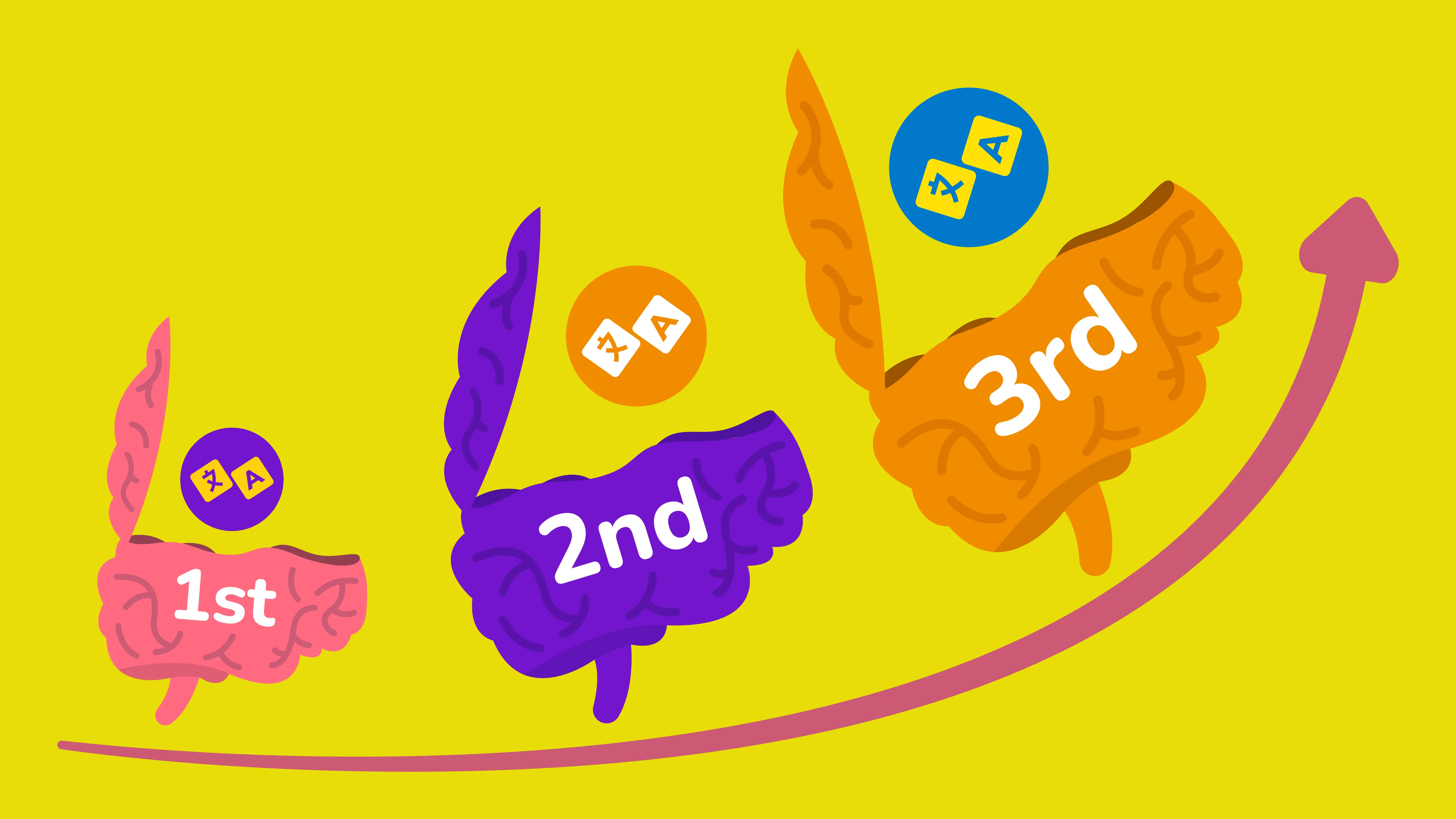
Have you ever wondered if picking up a third language is easier than learning a second one? Many polyglots and language enthusiasts claim it is, but what does the research say? Learning a new language is a challenge, but it also opens up a world of opportunities. Interestingly, a study by the European Commission found that over half of Europeans are bilingual, and about a quarter of those speak three or more languages. So, is the third language truly easier to learn?
Imagine being able to switch seamlessly between multiple languages at a party or while traveling. Does it sound like a superpower? In reality, it might be more attainable than you think. What if the secret to learning more languages is simply in learning that first second language
The Journey from Bilingual to Multilingual
- Cognitive Flexibility
Learning a second language boosts cognitive abilities, such as problem-solving and multitasking. Once your brain has adapted to juggling two languages, adding a third can feel less daunting. The mental gymnastics involved in managing multiple languages sharpen your cognitive flexibility, making it easier to learn additional languages. - Transferable Skills
The skills you acquire while learning your second language are highly transferable to a third. Understanding grammar rules, developing an ear for new sounds, and practicing language-learning techniques all become second nature. This foundation can significantly speed up the process of learning another language. - Confidence Boost
Successfully learning a second language boosts your confidence and motivation to learn more. You’ve already proven to yourself that you can master a new language, so tackling another one seems more achievable. Confidence can be a powerful motivator, reducing the fear of failure and increasing persistence. - Language Families
If your third language is from the same family as your second, you’ll likely find it easier to learn. For example, if you speak Spanish, learning Italian or French might be easier due to similarities in vocabulary, grammar, and sentence structure. Recognizing these patterns can provide a significant advantage. - Practical Tips
- Immerse Yourself: Engage with native speakers through language exchange meetups or online communities. Practice speaking and listening as much as possible.
- Practice Regularly: Consistency is key. Set aside time each day to practice, even if it's just for a few minutes.
- Use Technology: Apps like Louga App can help you memorize vocabulary efficiently, making language learning more accessible and fun.
In conclusion, while learning a third language comes with its own set of challenges, it can often feel easier than the second due to cognitive flexibility, transferable skills, and increased confidence. As Nelson Mandela once said, "If you talk to a man in a language he understands, that goes to his head. If you talk to him in his language, that goes to his heart." Embrace the journey of language learning and open up new worlds of connection and understanding.