
Your Guide to The German Alphabet
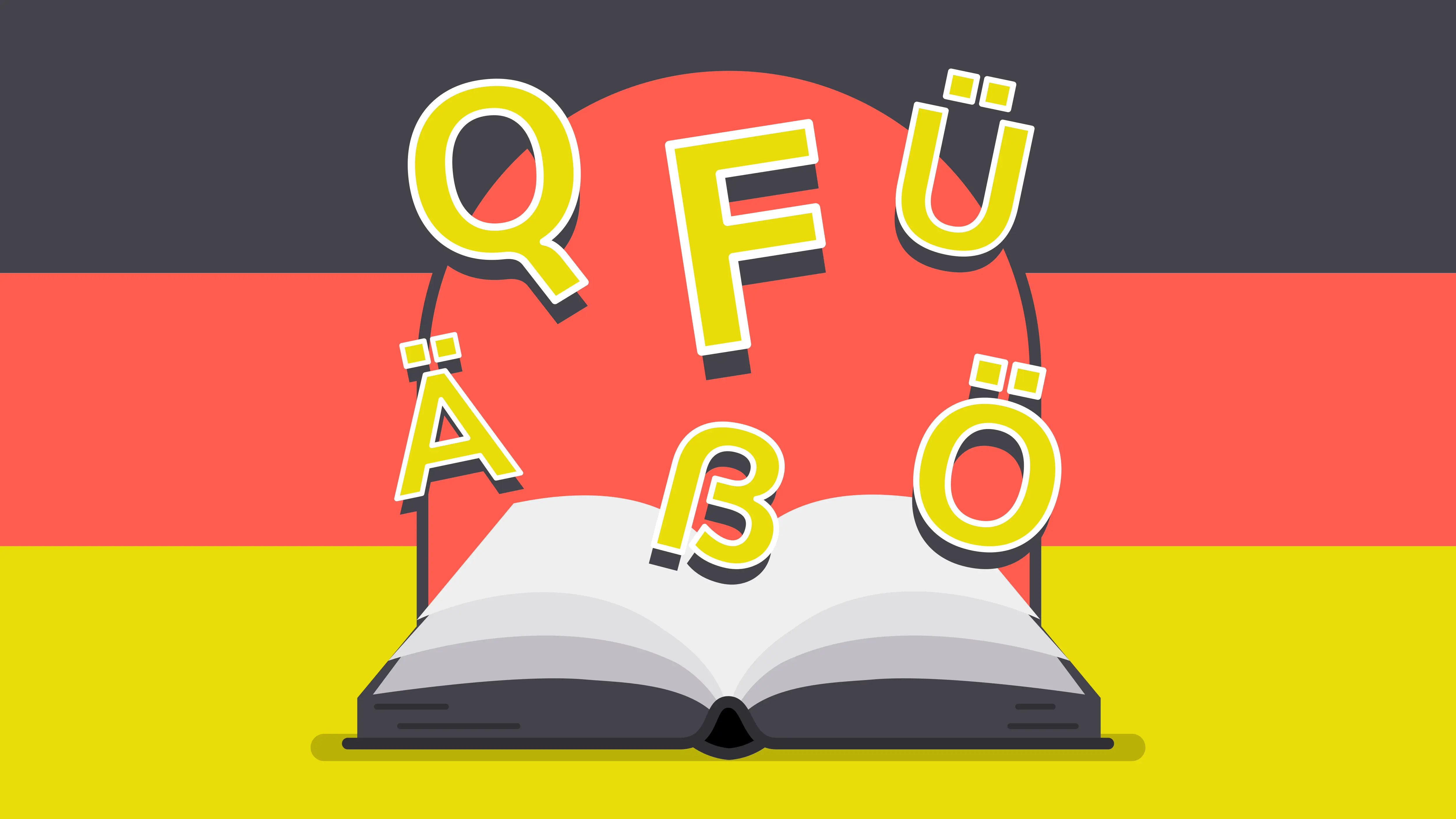
The German alphabet is the gateway to understanding one of the world’s most widely spoken languages, with over 100 million native speakers. It’s the official language in countries like Germany, Austria, and Switzerland, and knowing it opens doors in fields like science, technology, and global business. But where should you begin? Start with the alphabet—it’s easier than you think and will lay the foundation for your learning journey.
The German alphabet might look similar to the English one, but it comes with some unique twists. Did you know it has a few extra letters and symbols that don’t exist in English? These subtle differences can make all the difference in how you read, write, and speak. Let’s dive into what makes the German alphabet special and how mastering it can accelerate your language skills.
- Similar but Different: The German Alphabet
The German alphabet is almost identical to the English alphabet with 26 letters, but it also features some additional characters like Ä, Ö, Ü, and ß. These might seem unusual at first, but once you get the hang of them, they’ll help you navigate German words with ease. - Umlauts: The Key to Perfect Pronunciation
Umlauts—those two dots above Ä, Ö, Ü—change the way a vowel sounds. They’re crucial to mastering pronunciation in German. For example, "schön" (beautiful) is pronounced differently than "schon" (already). This slight change in vowels can alter the meaning entirely! - Understanding the ß (Eszett)
One of the most distinct letters in the German alphabet is the ß, or Eszett. It’s pronounced like a sharp "s" and is used in words like "groß" (big) or "Straße" (street). Knowing when to use ß will sharpen both your writing and reading skills. - Pronunciation Differences Between German and English
Some German letters are pronounced differently from their English counterparts. For instance:- W is pronounced like the English "V" (as in "Wasser" for water).
- V is pronounced like an "F" (as in "Vogel" for bird). Learning these distinctions early on will improve your speaking abilities.
By mastering the German alphabet, you set a strong foundation for everything else to come. "Every big journey begins with a small step"—and for you, that step is understanding A, B, C… and Ä, Ö, Ü. Keep going, and soon, you’ll be reading and speaking German with confidence!