
Your Guide to The Spanish Alphabet
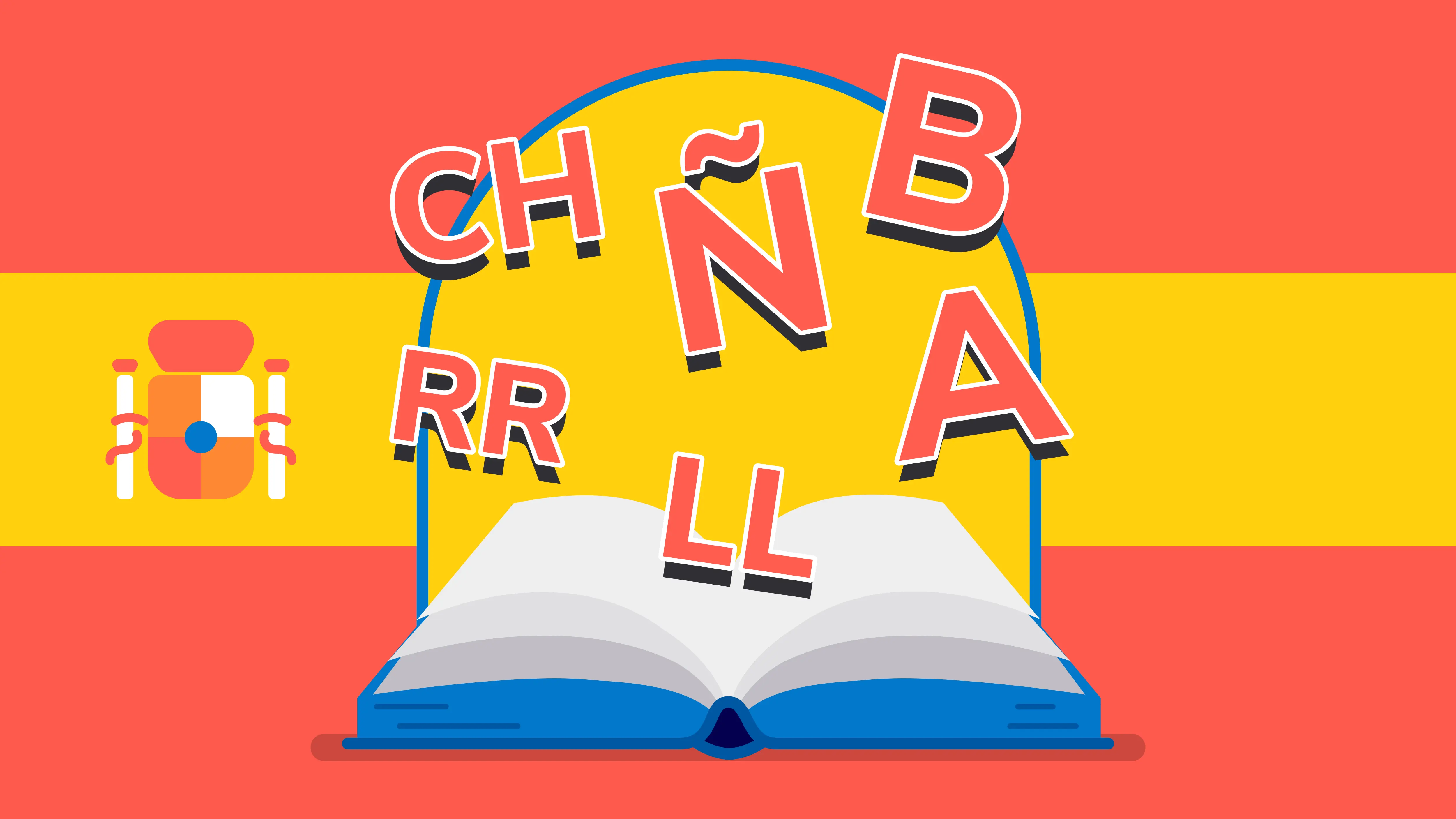
What’s the key to mastering Spanish pronunciation? It all begins with the alphabet! The Spanish alphabet is not just a set of letters—it’s the foundation of understanding, speaking, and writing in the language. Did you know that while it shares many similarities with the English alphabet, the Spanish alphabet also includes some distinct sounds and letters, like the iconic ‘ñ’? Learning these differences can significantly improve your fluency and confidence when communicating in Spanish.
So, what makes the Spanish alphabet so unique? And how can mastering these letters make your language journey smoother? Let’s dive in and find out how knowing these 27 letters can be the key to unlocking fluency in one of the most widely spoken languages in the world.
- The Number of Letters
- The Spanish alphabet consists of 27 letters, just one more than the English alphabet.
- It includes all the letters from A to Z, with the addition of the unique letter ‘ñ.’
- The ‘ñ’ is pronounced as 'ny,' like in the word piñata, and plays an essential role in Spanish vocabulary.
- Spanish Vowels
- The Spanish alphabet contains 5 vowels: a, e, i, o, u.
- Unlike in English, vowels are always pronounced the same way, making them easier to learn.
- There are no silent vowels in Spanish, so you always say exactly what you see.
- Consonants and Pronunciation
- Spanish consonants can differ from their English counterparts. For instance:
- The letter ‘r’ is pronounced with a roll or trill, especially when it’s doubled (e.g., perro).
- The ‘v’ sound is softer, almost like a ‘b,’ making words like vaca sound similar to baca.
- Mastering these small nuances can greatly improve your accent and clarity.
- Spanish consonants can differ from their English counterparts. For instance:
- Silent Letters
- The letter ‘h’ is always silent in Spanish. For example:
- The word hola (hello) is pronounced “ola.”
- Knowing this will help you avoid unnecessary confusion when reading or speaking.
- The letter ‘h’ is always silent in Spanish. For example:
- Soft and Hard Sounds
- Some letters in Spanish change their sounds depending on the letters around them:
- ‘C’ sounds like an 's' before ‘e’ or ‘i’ (e.g., cena = say-na), but like a 'k' before other vowels (e.g., casa = ka-sa).
- ‘G’ can be soft (like in gente = hen-te) or hard (like in gato = gah-to).
- Some letters in Spanish change their sounds depending on the letters around them:
- The Double ‘L’ and ‘Y’ Sounds
- The ‘ll’ and ‘y’ sounds are another notable feature in the Spanish alphabet.
- In most regions, they are pronounced similarly to the English ‘y’ in yes.
- However, in some countries, they take on a more pronounced ‘zh’ or ‘j’ sound (like in llama or yo).
- The ‘ll’ and ‘y’ sounds are another notable feature in the Spanish alphabet.
- Accents and Stress
- Spanish uses accents (á, é, í, ó, ú) to indicate stress or distinguish words with similar spellings.
- For example, sí (yes) and si (if) mean different things depending on the accent.
- Knowing where the stress falls will enhance your pronunciation and help you understand written texts more clearly.
- Spanish uses accents (á, é, í, ó, ú) to indicate stress or distinguish words with similar spellings.
"The beauty of mastering the Spanish alphabet lies in its simplicity. Once you know these letters, you unlock a world of communication, culture, and connections. As the famous saying goes, 'The beginning of wisdom is to call things by their right names.' So, take the first step and start with the alphabet—it’s your foundation for everything that follows."